

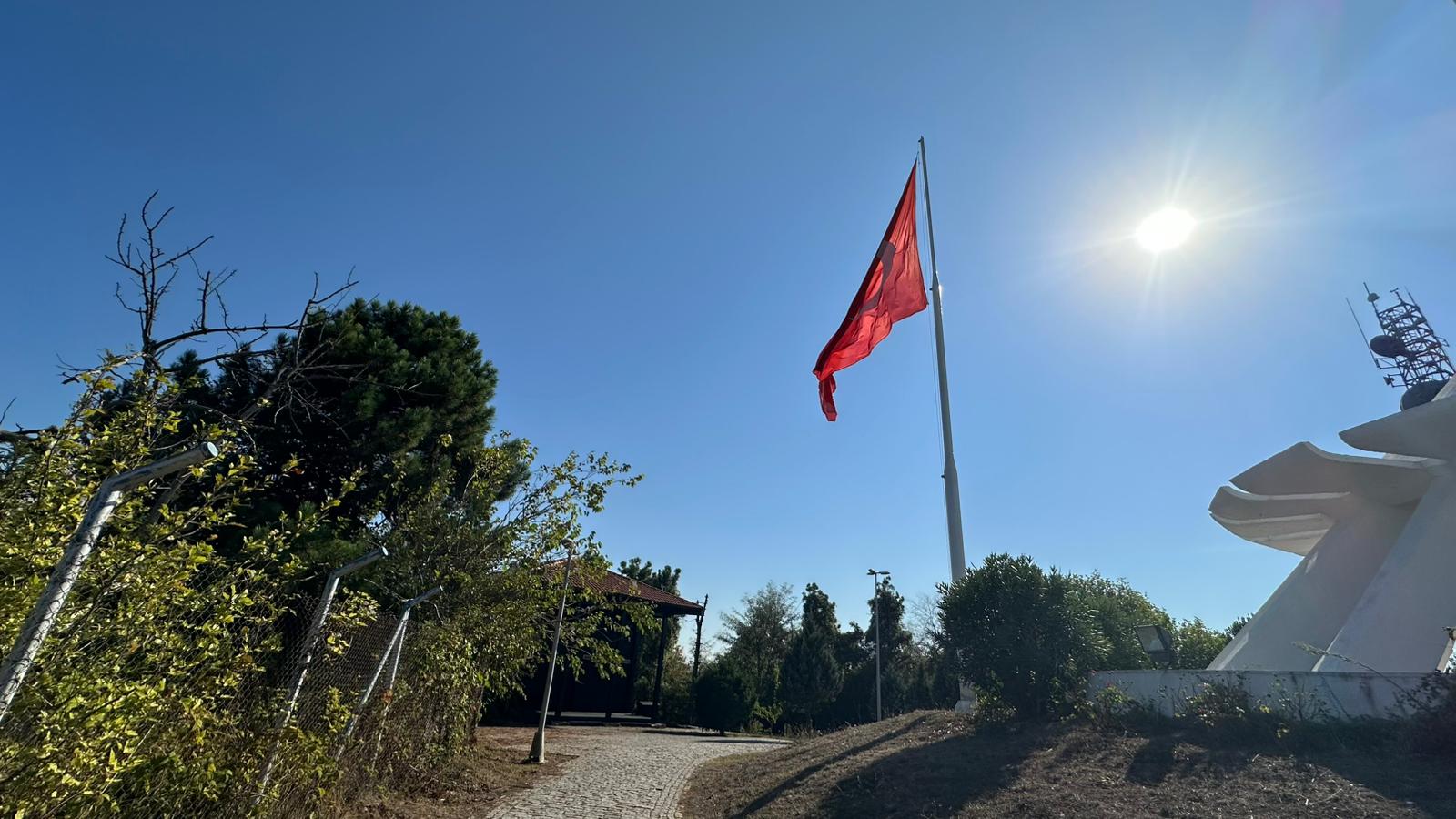
Akçakoca Bey Anıtı ve Türbesi
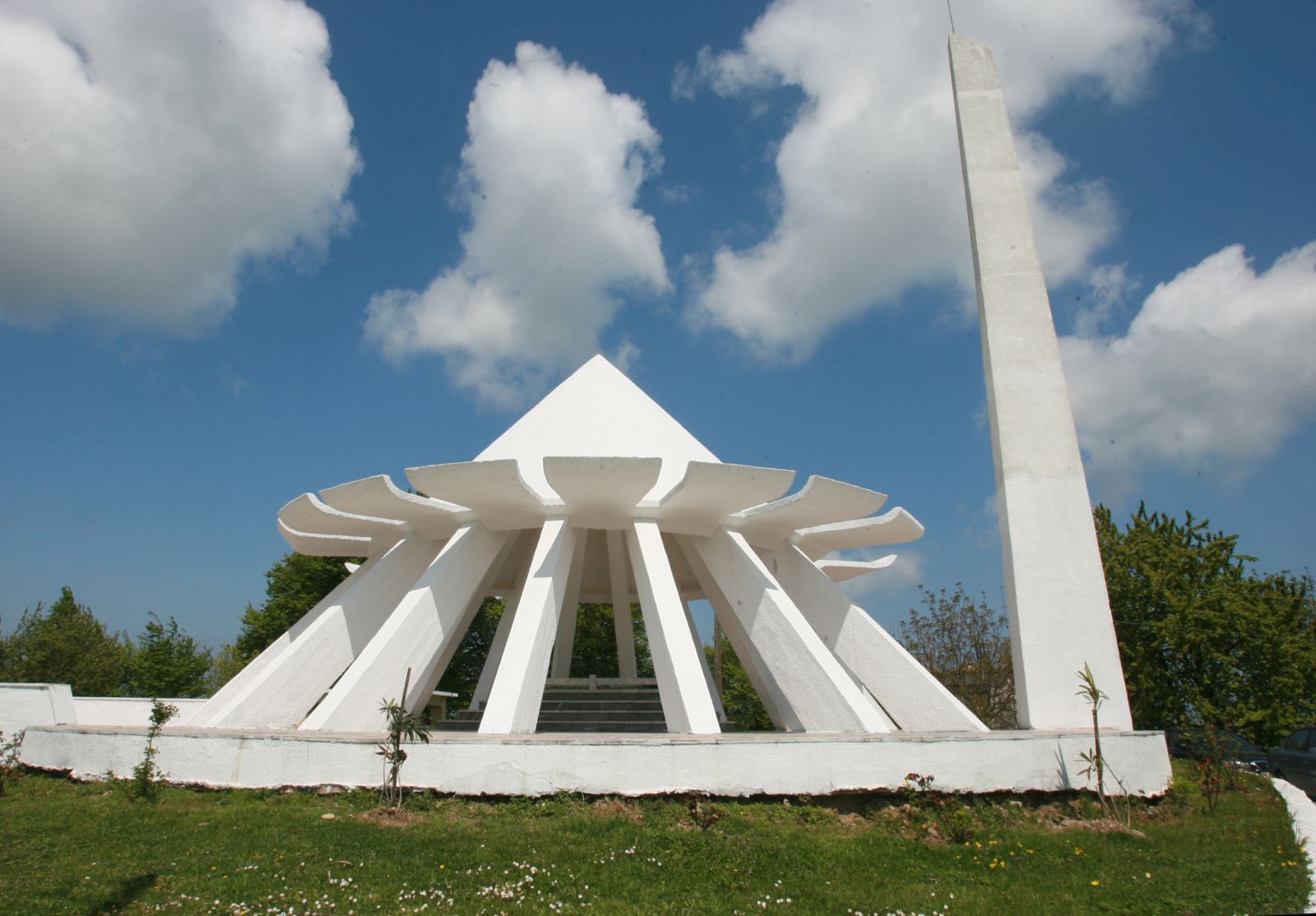
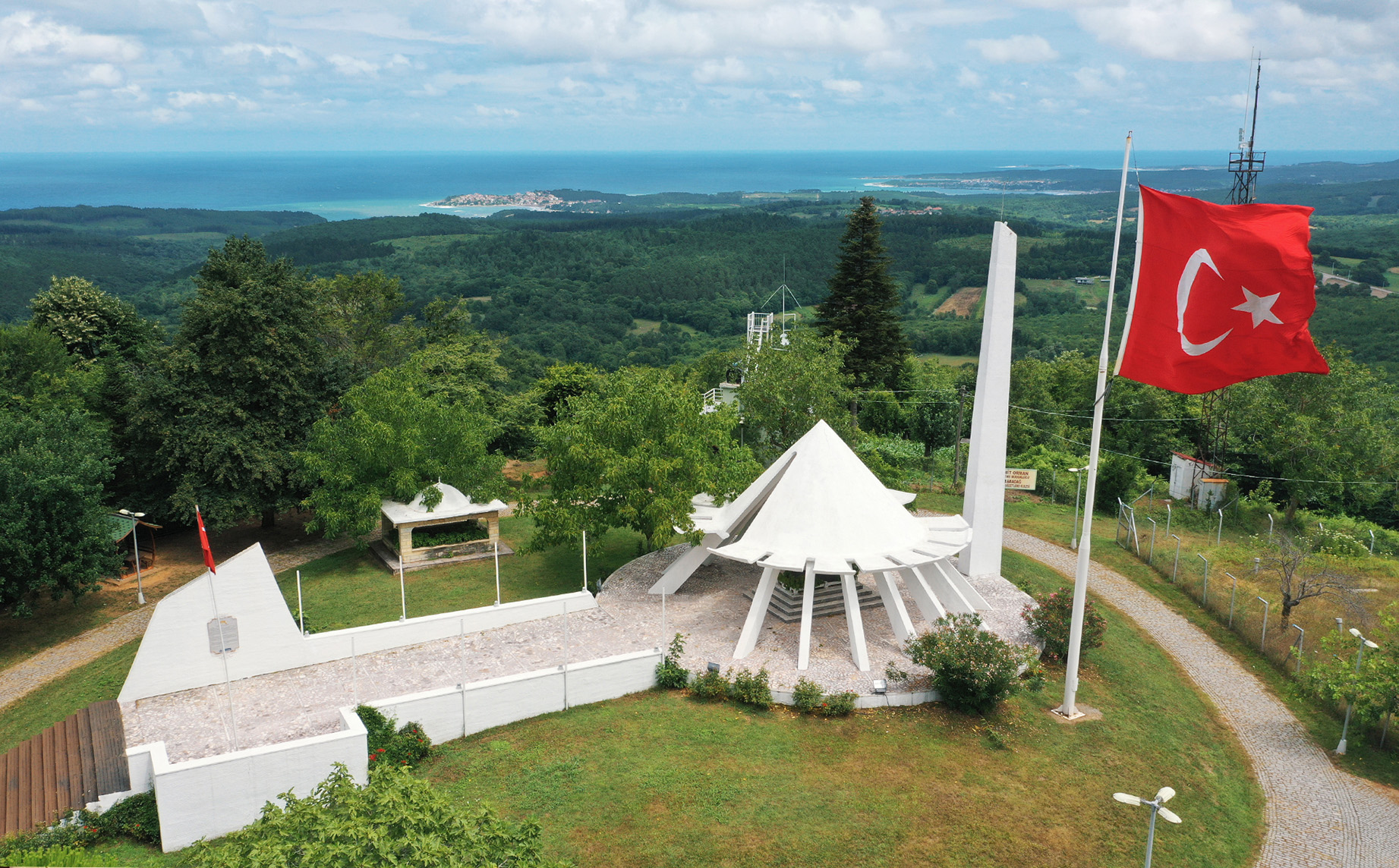
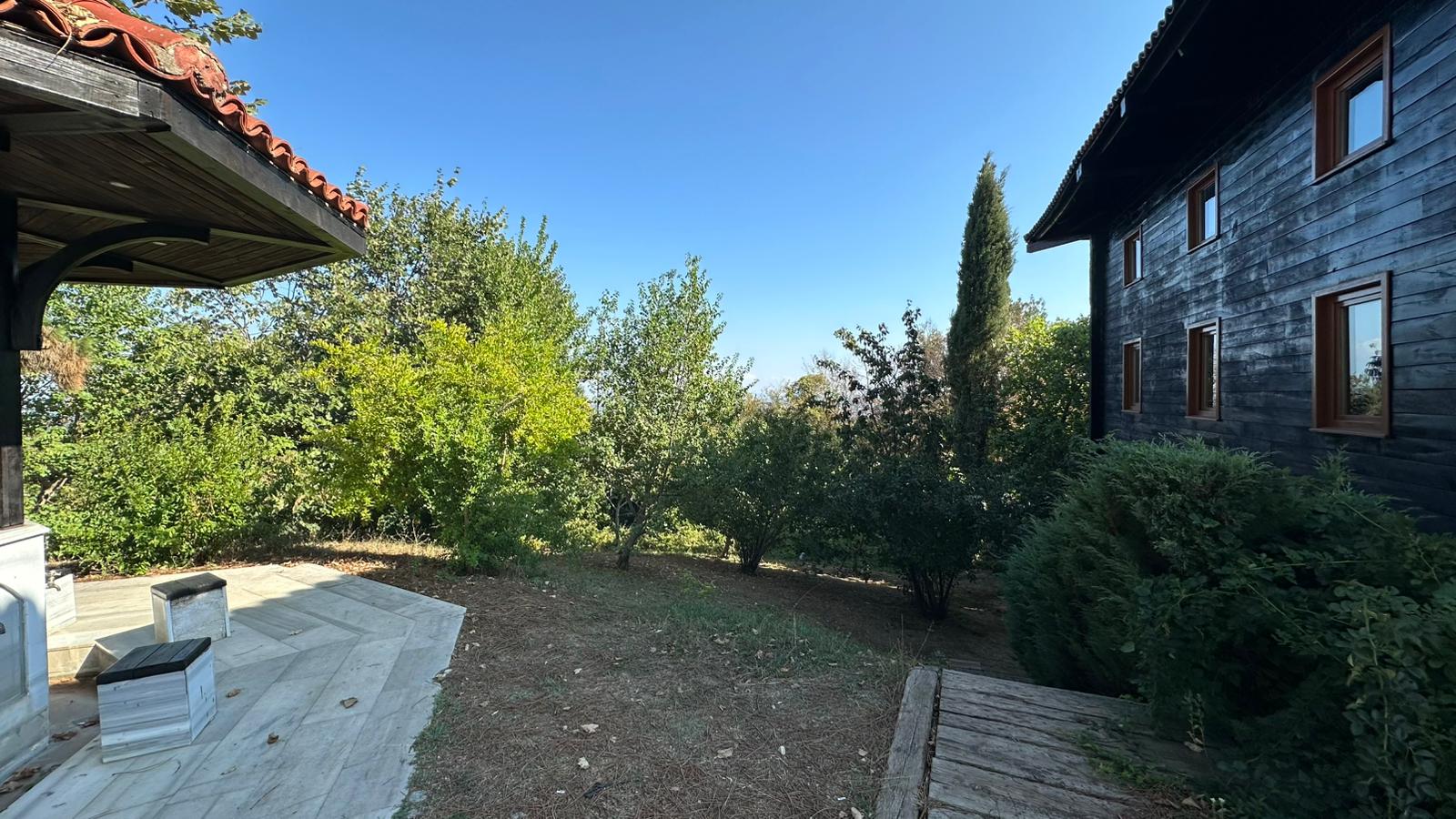
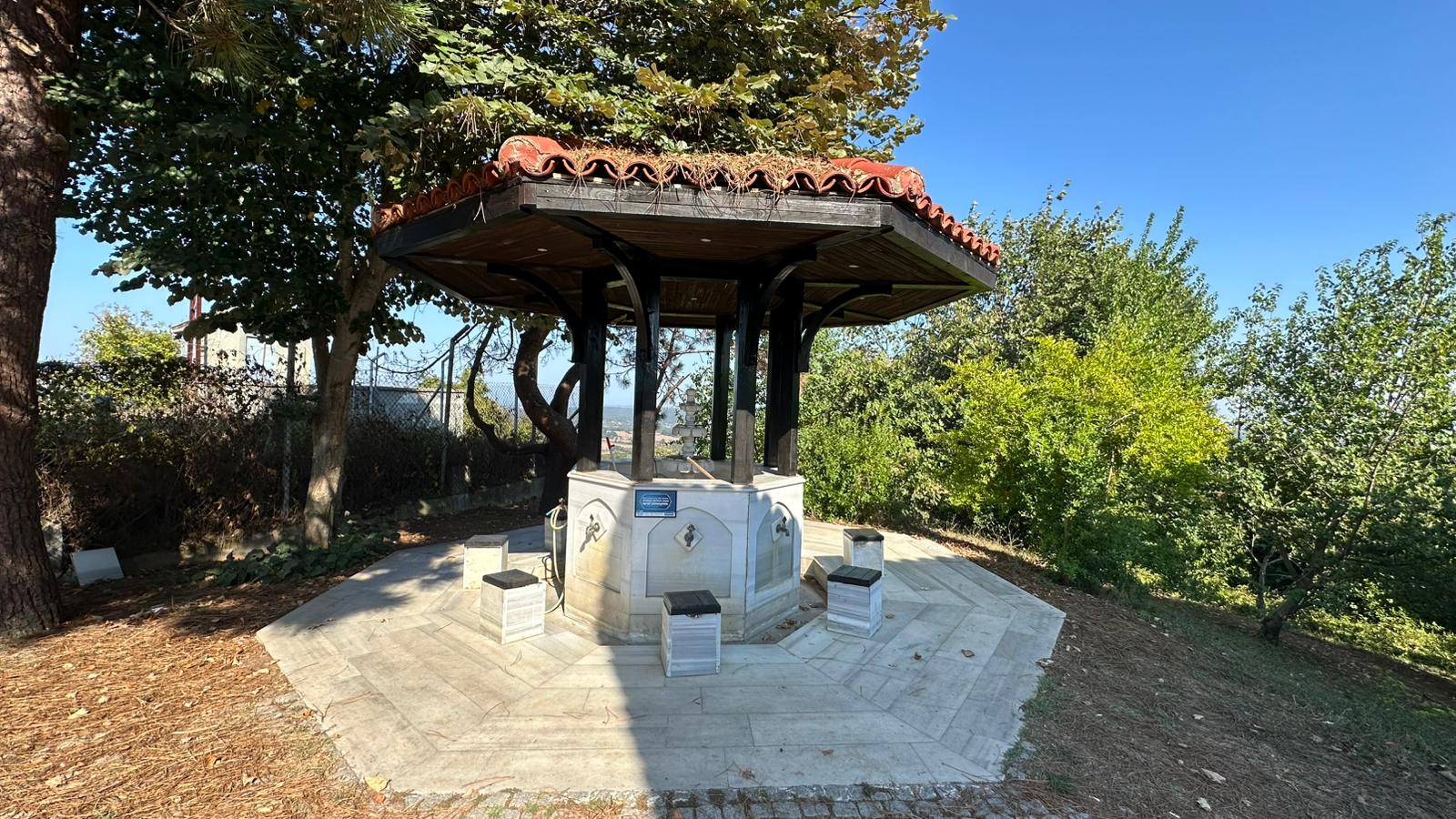
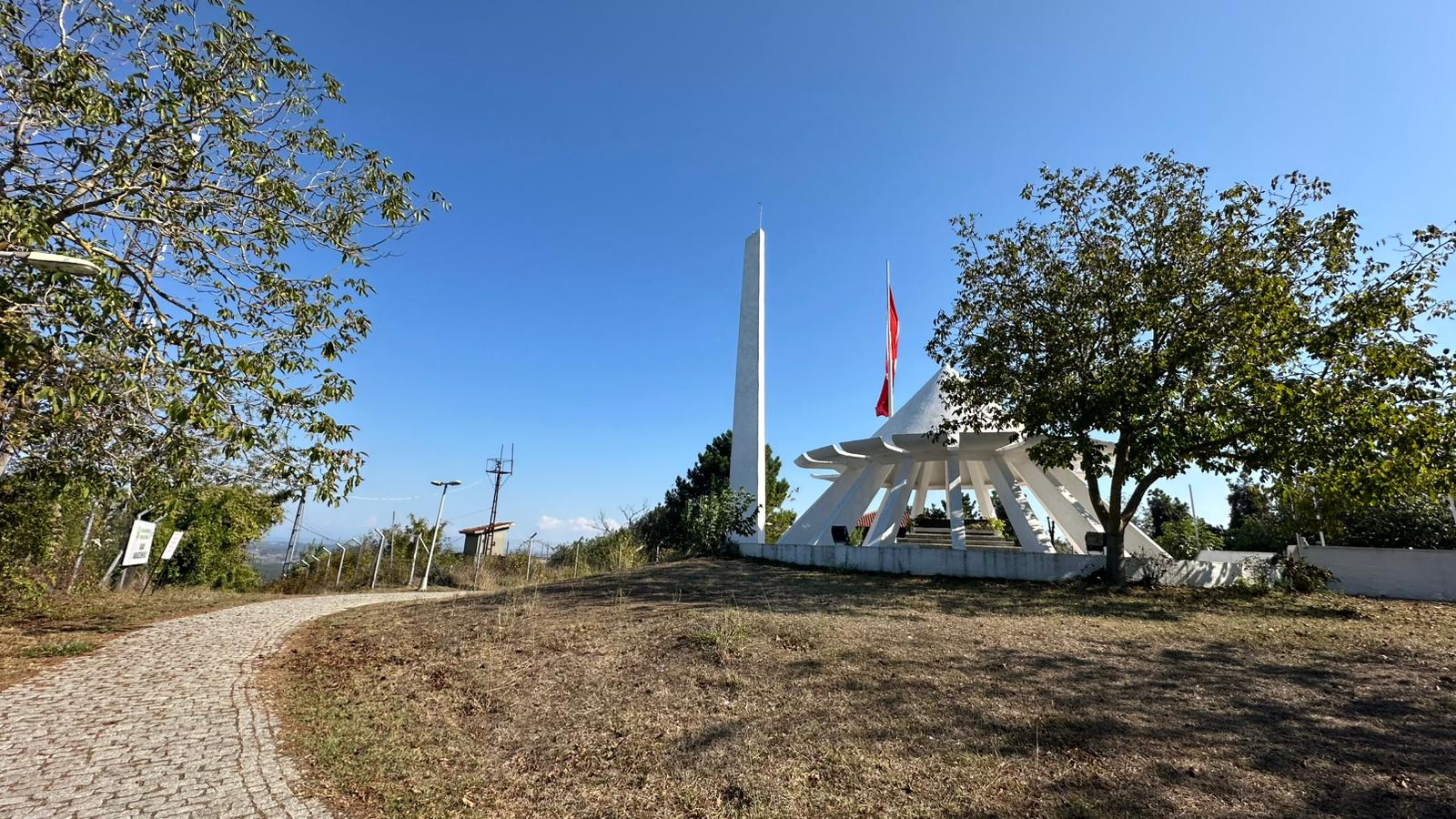
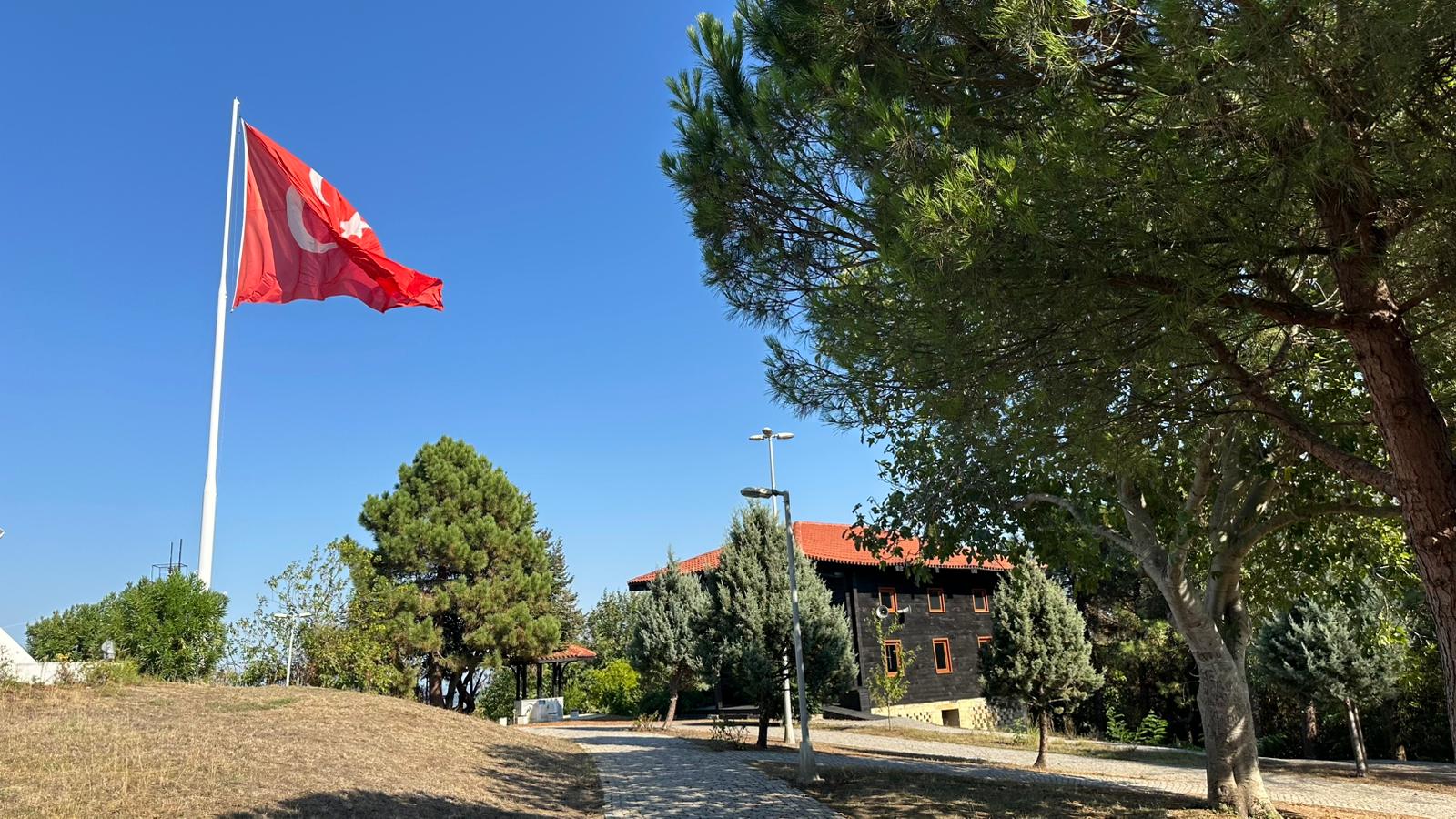
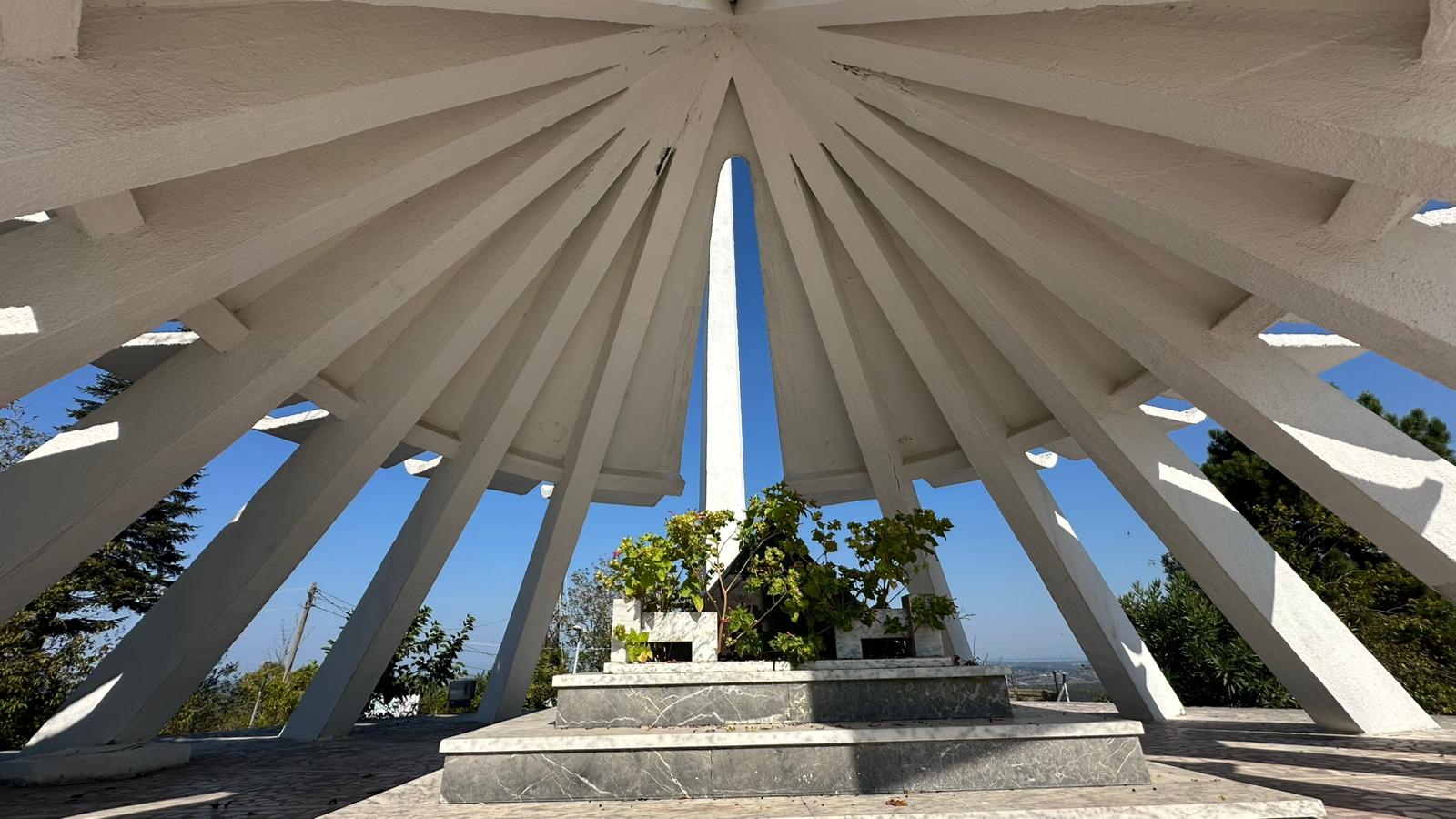
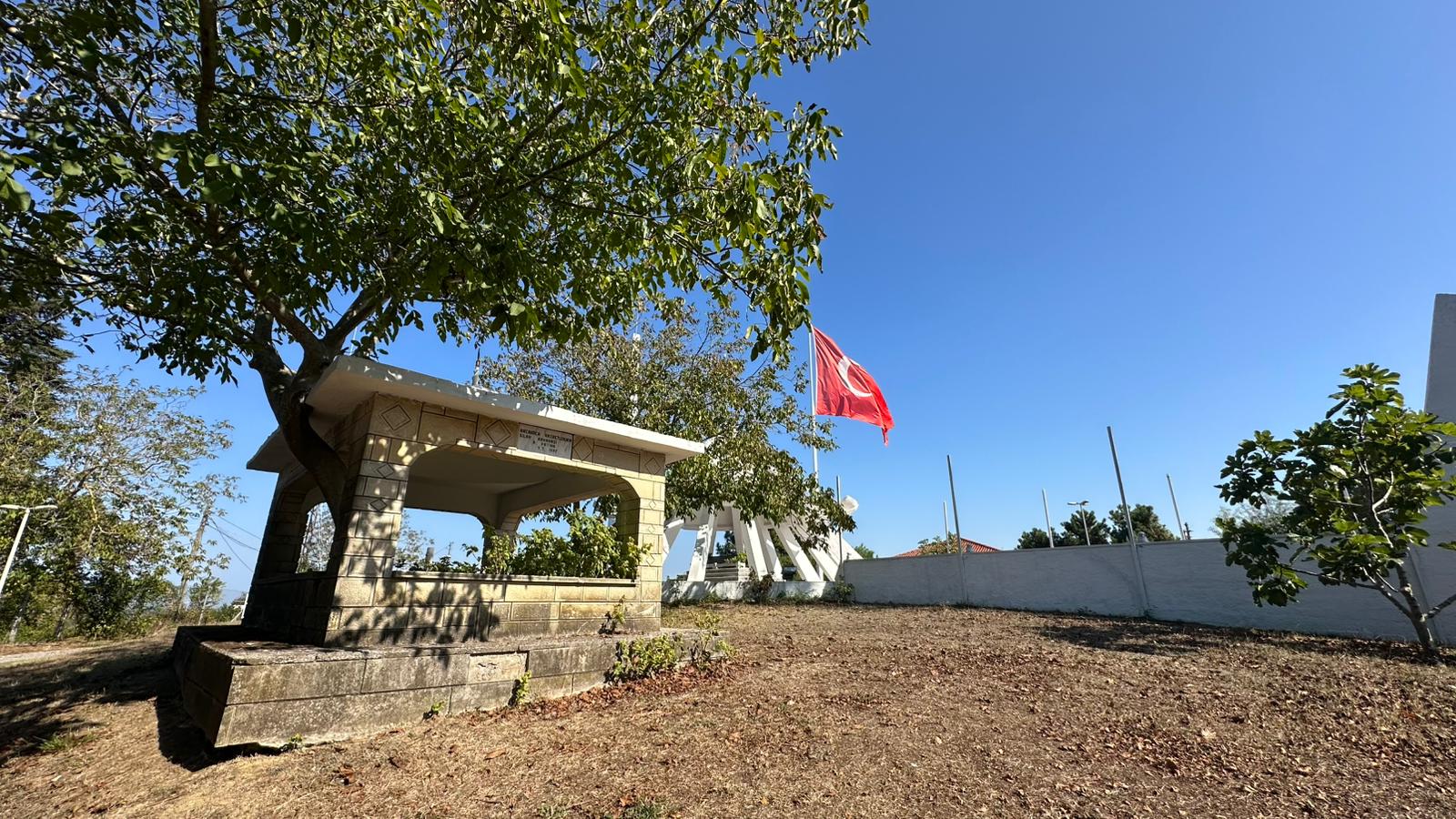
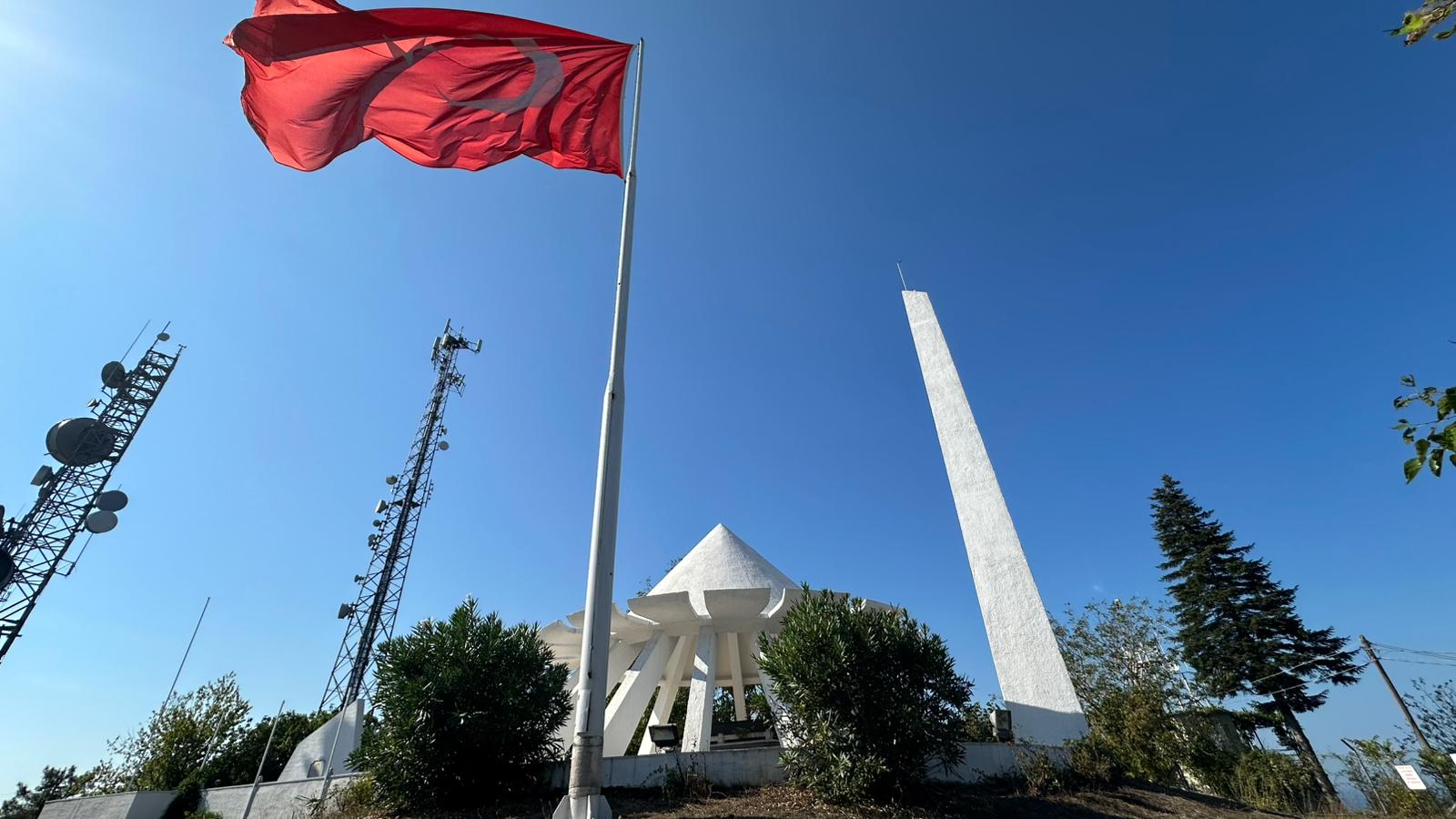
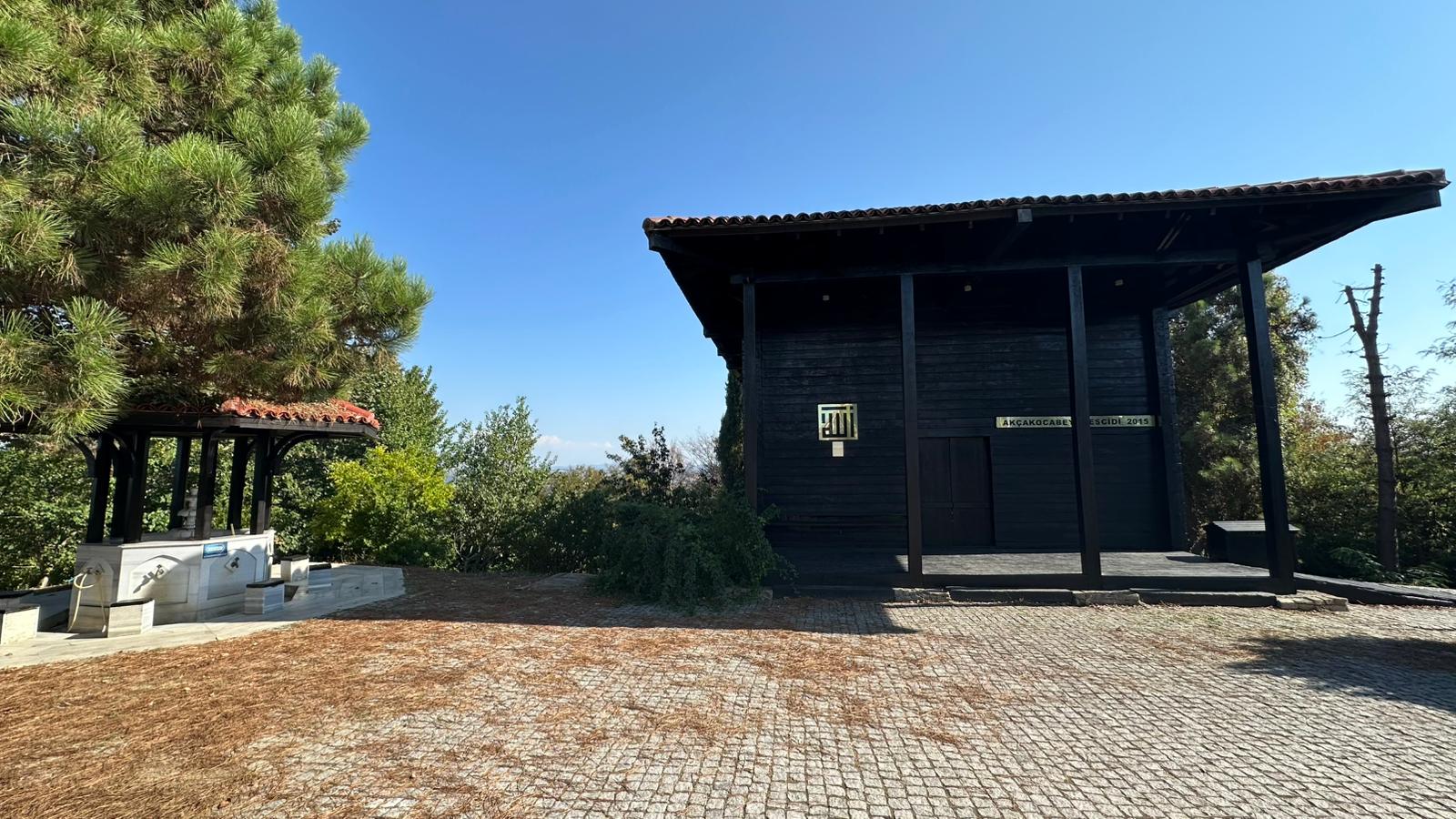
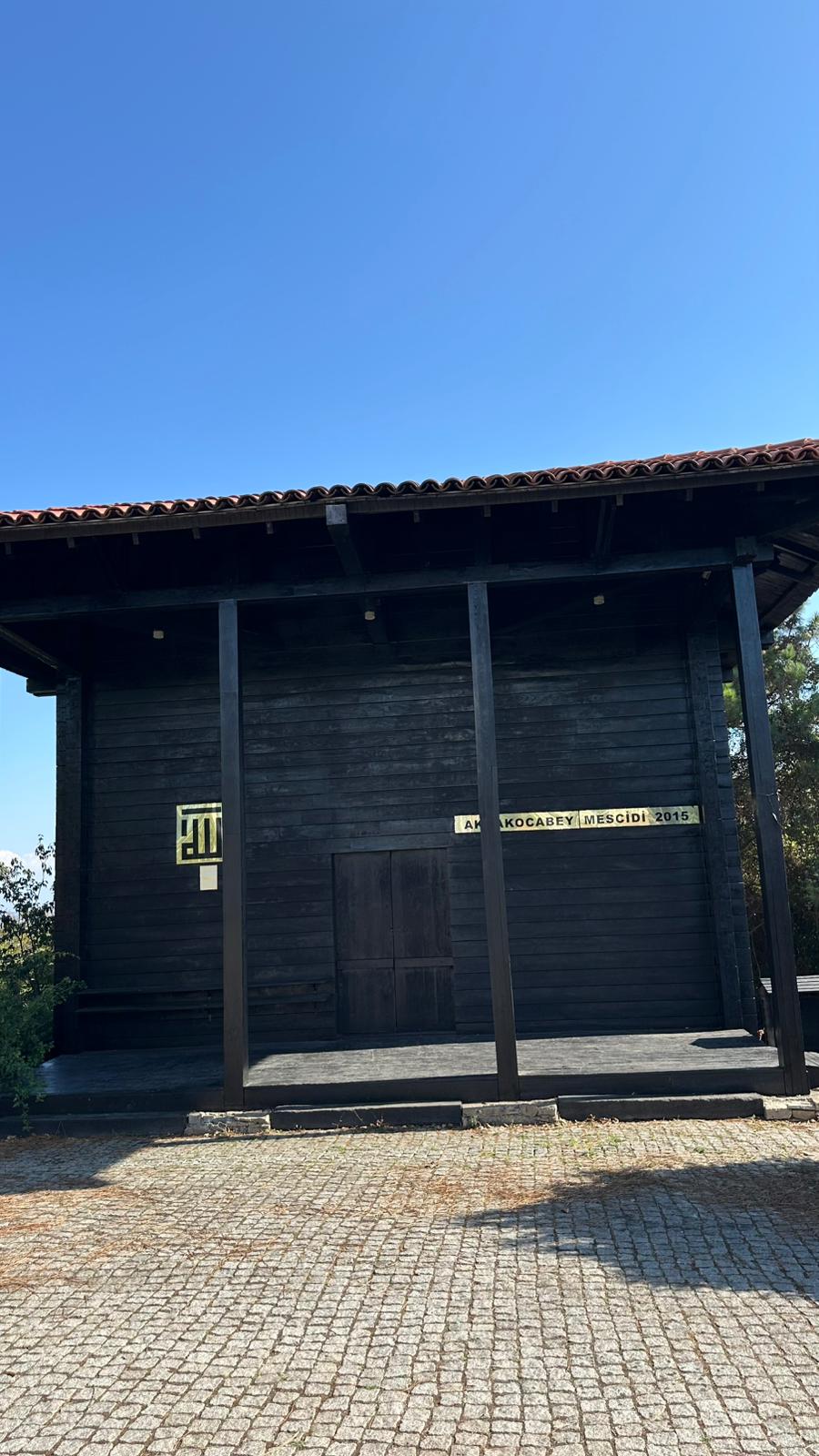
Akçakoca Bey, Osmanlı’nın kuruluş döneminde önemli bir akıncı beyidir. Osman Gazi ve Orhan Gazi dönemlerinde Bizans sınır hattında fetihlerde görev almıştır. Akçakoca Bey, Akçakoca-Sapanca-Kandıra hattını Osmanlı Beyliği’ne katmıştır. Bu yüzden ‘’Kocaeli Fatihi’’ olarak anılır. 1328’de İzmit fethi öncesinde Kandıra’da vefat etmiştir. Anıtın yapımı 1974 yılında tamamlanmıştır. 348 m² alanda, betonarme yapıda, kuzey-güney yönünde inşa edilmiştir. Mezarın zemini mermer kaplıdır ve Akçakoca Bey’in mezarı otağ biçiminde pramidal bir yükseltinin altında yer alır. Baba Tepesi, Karadeniz sahilini kuşbakışı gören 235 m yükseklikte bir noktadadır. Yanında ahşap bir cami bulunur, ziyaretçiler burada dua edebilir, namaz kılabilir. Anıt mezar, Akçakoca Anıtı-Ömerağzı Koyu-Kerpe rotasının başlangıç noktasıdır. Rota, orman içindeki su kaynakları ve çiçek türleriyle dört mevsim yürünebilir. Mezar sembolik ve anıtsal niteliktedir. Osmanlı erken dönem mezar mimarisinin sade özelliklerini taşır. Anıt mezar, yerel tarih bilincinin oluşmasında önemli bir simgedir.
Osmanlı’nın kuruluş anlatısının Anadolu’daki somut mekânlarından biridir. Okul dışı öğrenme ortamları kapsamında millî ve tarihî bilinç geliştirme, kültürel mirasa sahip çıkma, vatan ve aidiyet duygusunu güçlendirme; eleştirel düşünme, kanıt temelli çıkarım yapma, gözlem ve analiz yapma hedefleri için ziyaret edilebilir.
Konum
Adres: Akçakoca Bey Anıt Mezarı, D605, Mollahasan Pınarı, Babaköy Mahallesi, Kandıra, Kocaeli, Marmara Bölgesi, 41600, Türkiye
Ziyaret Gün ve Saatleri
Aşağıda belirtilen gün ve saatler arasında ziyarete açıktır.
Erişilebilirlik Özellikleri
Engelsiz erişim imkânlarının ve rehber hizmetlerinin bulunup bulunmadığı bilgisine yer verilmiştir.
- Engelsiz Erişim
- Rehberlik Hizmeti
Ziyaret Notları
Akçakoca Bey Anıtı’nda herhangi bir işletme mevcut değildir. 7 gün 24 saat ziyarete açıktır. Gündüz ziyaretleri için daha uygun olup akşamları aydınlatma yetersizdir. Engelli erişimini kolaylaştıracak herhangi bir çalışma bulunmamaktadır.
İletişim Bilgileri
Öğrenme Çıktıları
- HB.1.4.1. Yaşadığı yerin ve ülkemizin genel özelliklerini açıklayabilme
- HB.2.4.1. Yakın çevresinde bulunan tarihî mekân ve doğal güzellikleri belirleyebilme
- HB.3.4.1. Yakın çevresindeki tarihî mekân ve doğal güzelliklerin korunmasının önemini fark edebilme
- HB.3.4.4. Millî birlik ve beraberliğimizin toplum hayatına katkılarını açıklayabilme
- MÜZ.4.1.4. Belirli gün ve haftalarla ilgili eserleri söyleyebilme
- MÜZ.4.1.5. Ortak repertuvardaki eserleri söyleyebilme
- SB.4.3.3. Yakın çevresindeki ortak miras ögelerini tanımanın önemini yorumlayabilme
- DKAB.5.5.1. Dinin mimarimize etkisini çözümleyebilme
- DKAB.5.5.2. Camilerin bölümlerini tanıyabilme
- DKAB.5.5.3. Kültürümüzde yer alan cami örneklerini karşılaştırabilme
- GS.5.2.1. Anadolu Türk kültürüne ait motiflerdeki görsel mesajları okuyabilme
- GS.5.2.2. Anadolu Türk kültürüne ait estetik motiflerle kolaj yapabilme
- GS.5.4.1. Doğal nesnelerin doku özelliklerini yansıtan desen yapabilme
- MÜZ.3.3. Millî ve manevi günler ile ilgili müzikleri ayırt edebilme
- ENG.5.5.L1. Students can get ready for the listening/watching-comprehension process for the current content on “life in the neighbourhood and city with places for recreation and attractions in the neighbourhood and city ; different types of houses” carefully.
- ENG.5.5.L2. Students can bring information about the current content on “life in the neighbourhood and city with places for recreation and attractions in the neighbourhood and city ; different types of houses” together through significant details and main components while listening/ watching it.
- ENG.5.5.L3. Students can make meaning of/derive meaning from the current content on “life in the neighbourhood and city with places for recreation and attractions in the neighbourhood and city ; different types of houses” through significant details by listening/watching it carefully.
- ENG.5.5.R2. Students can bring information about the current content on “life in the neighbourhood and city with places for recreation and attractions in the neighbourhood and city ; different types of houses” through skimming (looking quickly at) the audio-visual elements and reading the content very quickly.
- ENG.5.5.L4. Students can convey their knowledge, experience, thoughts, and feelings examined carefully about the whole listening/watching-comprehension process in relation to the current content on “life in the neighbourhood and city with places for recreation and attractions in the neighbourhood and city ; different types of houses”.
- ENG.5.5.V1. Students can select and use the target vocabulary of the current content about “life in the neighbourhood and city with places for recreation and attractions in the neighbourhood and city ; different types of houses” accurately, authentically, spontaneously, and naturally and use it appropriately and effectively when communicating with others.
- ENG.5.5.S6. Students can convey their knowledge, experiences, thoughts, and feelings related to the speaking-expression process about the current content, “life in the neighbourhood and city with places for recreation and attractions in the neighbourhood and city ; different types of houses” to communicate with other people in relation to themselves or others, both individually and/or with others.
- ENG.5.5.S5. Students can reorganise (reconstruct) and use information about the “life in the neighbourhood and city with places for recreation and attractions in the neighbourhood and city ; different types of houses” to communicate with other people.
- ENG.5.5.L1. Students can get ready for the listening/watching-comprehension process for the current content on “life in the neighbourhood and city with attractions and recreational places, services, and transportation in the neighbourhood and the city” carefully.
- ENG.5.5.L2. Students can bring information about the current content on “life in the neighbourhood and city with attractions and recreational places, services, and transportation in the neighbourhood and the city” together through significant details and main components while listening (to)/ watching it.
- ENG.5.5.L3. Students can make meaning of/derive meaning from the current content on “life in the neighbourhood and city with attractions and recreational places, services, and transportation in the neighbourhood and the city” through significant details by listening (to)/watching it carefully.
- ENG.5.5.P1. Students can select and use the target phonological elements of the current content about “life in the neighbourhood and city with attractions and recreational places, services, and transportation in the neighbourhood and the city” accurately, authentically, and naturally through spontaneous decision-making processes and use it in an appropriate and effective way when communicating with others.
- ENG.5.5.R4. Students can convey their knowledge, experiences, thoughts, and feelings related to the reading-comprehension process about the current content, “life in the neighbourhood and city with attractions and recreational places, services, and transportation in the neighbourhood and the city” in relation to themselves or others, both individually and/or with others.
- ENG.5.5.S6. Students can convey their knowledge, experiences, thoughts, and feelings related to the speaking-expression process about the current content, “life in the neighbourhood and city with attractions and recreational places, services, and transportation in the neighbourhood and the city” to communicate with other people in relation to themselves or others, both individually and/or with others.
- ENG.5.5.W6. Students can reflect on their knowledge, experiences, thoughts, and feelings related to the writing-expression process about the current content, “life in the neighbourhood and city with attractions and recreational places, services, and transportation in the neighbourhood and the city” in relation to themselves or others, both individually and/or with others.
- SB.6.3.4. XI-XIII. yüzyıllar arasında meydana gelen siyasi faaliyetler ve askerî mücadelelerin Anadolu’nun Türkleşmesi ve İslamlaşmasına etkisini özetleyebilme
- T.D.6.4. Dinlediğinde/izlediğinde geçen anlamını bilmediği söz varlığı unsurlarının anlamını tahmin edebilme
- T.D.6.5. Dinlediğinin/izlediğinin yüzey anlamını belirleyebilme
- T.D.6.15. Bilgilendirici metinde anahtar kelimeleri belirlemeye yönelik çözümleme
- T.D.6.25. Dinleme/izleme sürecine yönelik öz yansıtma yapabilme/kendini uyarlayabilme
- T.D.6.19. Dinlediğinden/izlediğinden hareketle söz varlığını geliştirmeye yönelik çözümleme yapabilme
- T.K.6.22. Konuşmasını zenginleştirecek biçimde söz varlığını kullanabilme
- T.K.6.26. Konuşma sürecine yönelik öz yansıtma yapabilme/kendini uyarlayabilme
- GS.6.4.1. Simetrik üçgen kompozisyon yapısına uygun natürmort yapabilme
- DE.6.5.H1.1. – Vorbereitung auf das Hör-und Sehverstehen
- DE.6.5.H1.2. – Informationen zusammenführen durch bedeutende Details
- DE.6.5.P3.1. – Phonologische Elemente erkennen und anwenden
- DE.6.5.L2.1. – Vorbereitung auf das Leseverstehen
- DE.6.5.L2.3. – Bedeutung erschließen und Gedanken zum Leseprozess ausdrücken
- DE.6.5.W2.1. – Zielwortschatz erkennen und anwenden
- DE.6.5.G1.1. – Zielgrammatik erkennen und anwenden
- DE.6.5.SP3.1. – Vorbereitung auf den Sprechprozess
- DE.6.5.SP3.3 – Inhalte für das Sprechen organisieren und anwenden
- MAT.6.3.1. Düzlemde iki paralel doğru ve bir kesen ile oluşan açıları sınıflandırabilme
- MAT.6.4.2. Dikdörtgenin alan bağıntısına yönelik deneyimlerini paralelkenar ve üçgenin alan bağıntılarına yansıtabilme
- MAT.6.4.3. Geometrik şekillerin alanları ile modellenen gerçek yaşam durumlarına yönelik problem çözebilme
- MAT.6.4.4. Çemberin uzunluğu ile çap uzunluğu arasındaki ilişkiye yönelik çıkarım yapabilme
- MAT.6.4.5. Çap veya yarıçap uzunluğu verilen bir çemberin uzunluğu ile ilgili problemleri çözebilme
- MAT.6.4.6. Çemberde merkez açının ölçüsü ile gördüğü yayın uzunluğu arasındaki ilişkiye dair tümevarımsal akıl yürütebilme
- SB.7.3.1. Osmanlı Devleti’nin cihan devleti hâline gelmesini sağlayan politikaları sorgulayabilme